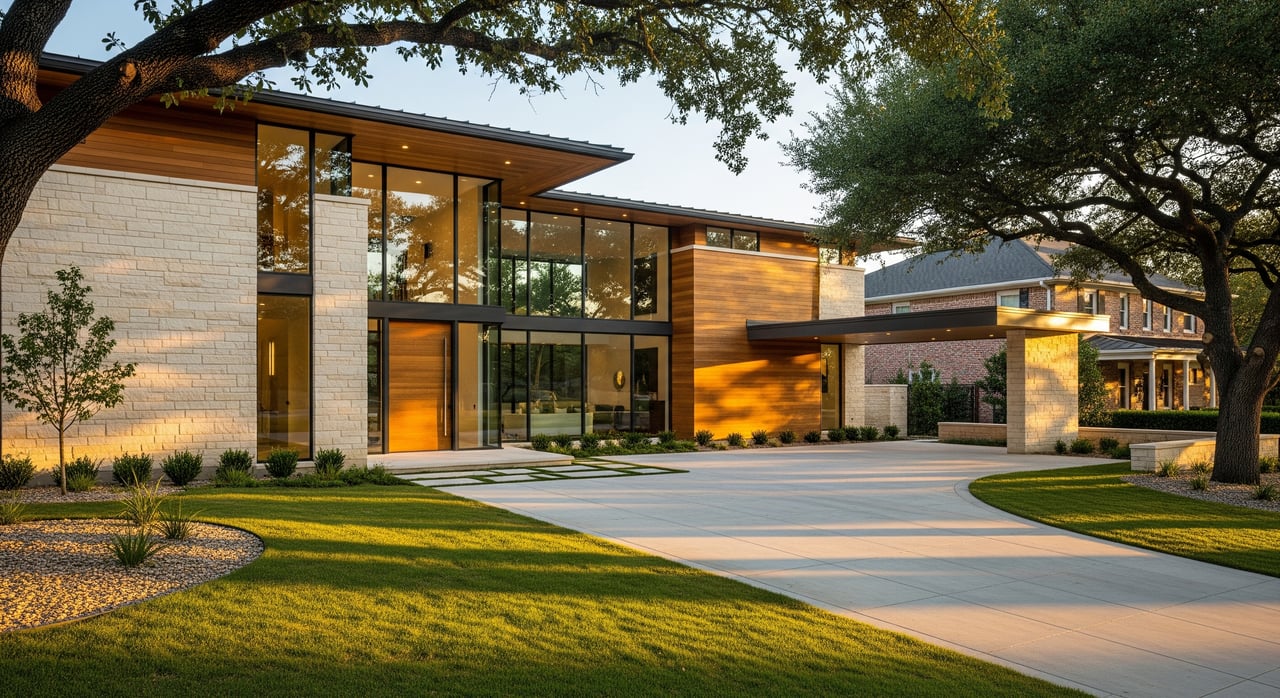
Thinking about a new build or a resale home in Westlake? You are not alone. Many buyers want the latest design and systems but also want certainty on timing and neighborhood feel. In this guide, you will compare both paths side by side, learn how Westlake’s HOA and architectural rules can shape your plan, and get practical checklists to move forward with confidence. Let’s dive in.
Quick decision framework
If you are deciding between new construction and resale, start with four questions:
- How soon do you need to move? If you need weeks, resale or a near-complete spec home is usually the fastest. If you have months, semi-custom or custom can fit.
- How much customization do you want? If it is high, new construction gives more control. If it is moderate to low, resale or spec often delivers value without extra delays.
- What is your risk tolerance on timing and costs? Resale is more predictable. Custom builds can see changes and schedule shifts, which require flexibility.
- What short-term costs matter most? New homes often include modern systems and warranty coverage. Resales may offer more immediate price negotiation and a known performance history.
New construction options and timelines
Westlake offers a mix of spec, semi-custom, and fully custom homes. Lot preparation and architectural review can affect schedules, so build a buffer.
Spec homes
- Move-in timing often ranges from a few weeks to a few months, depending on finish stage.
- Plans and options are mostly set, which streamlines decisions and financing.
- Financing often mirrors resale, which keeps the process familiar.
Semi-custom
- Expect roughly 4 to 9 months from contract to close, subject to builder schedule and design changes.
- You choose from a builder’s plan and add selected upgrades. Those upgrades typically increase the contract price.
- Good for buyers who want some personalization without a full custom timeline.
Fully custom
- Often 9 to 18 months or more, depending on design complexity, permitting, and lot conditions.
- You control layout, finishes, and systems, but should be ready for change orders and schedule variability.
- In Westlake, estate lots can require grading, retaining walls, and utility coordination, which can add time.
Warranties and post-closing recourse
What new-home warranties cover
- Many builders provide a workmanship warranty for about 1 year.
- Mechanical systems may be covered for around 2 years, depending on the builder’s program.
- Structural coverage can extend up to 10 years through third-party warranty programs. Always verify the builder’s exact documents.
How to use the warranty
- Get the full warranty in writing before you sign. Confirm coverage periods, claim steps, and who performs repairs.
- Confirm whether the warranty is transferable, which can help future resale.
- Keep a detailed punch list and photos during walkthroughs. Reporting windows are often short.
Resale protections
- Most resales do not include a builder warranty. You rely on inspections, negotiated repairs, or a buyer-purchased home warranty product.
HOA, ARB, and design rules in Westlake
Many Westlake neighborhoods have HOAs and architectural review requirements that govern exteriors and site work.
- Plan approvals may cover roofing, siding, colors, fencing, accessory structures, and landscaping.
- Some communities include rules for lot clearing, setbacks, and tree protection. These can affect timelines, especially for custom builds.
- Developer-run HOAs may control guidelines during early phases, then transfer to owners.
Before you commit, request and review CC&Rs, design manuals, ARB submission steps and timelines, and HOA financials. Ask about reserve studies and any planned special assessments.
Financing and carrying costs
New construction financing
- Options include construction-to-permanent loans, separate construction and permanent loans, or conventional loans for spec homes.
- Lenders may require draw schedules, progress inspections, or escrow holdbacks. Appraisal timing can differ from resale.
- Builders sometimes offer incentives if you use a preferred lender. Compare rates, fees, and appraisal policies before choosing.
Rate locks and timing risk
- If you build over many months, interest rates can change before closing. Ask lenders about rate-lock options and extension costs.
Taxes and assessments
- New construction can shift assessed value after completion. Tarrant County Appraisal District determines assessed values, and homestead exemptions can apply when appropriate.
Resale financing
- Conventional financing on resales is usually more predictable. You may be able to negotiate seller concessions or closing cost credits based on market conditions.
Inspections and appraisals
Inspections for new builds
- Hire an independent inspector, even with a builder warranty.
- Schedule a pre-drywall inspection and a final inspection before closing. Add specialty inspections as needed for items like pools or septic.
- Some builder contracts limit remedies or shorten inspection windows. Read the contract carefully.
Resale inspections
- Complete a full inspection during the option period. Use findings to negotiate repairs or credits.
Appraisals and contingencies
- Resale appraisals rely on closed comparable sales.
- New-build appraisals consider similar new or spec homes and adjust for lot, upgrades, and square footage. Thin comp sets can invite appraisal review or challenges.
- Some new construction contracts limit appraisal contingencies. Confirm whether you can cancel or renegotiate if the appraisal is low.
Certificate of occupancy
- New homes typically close with a Certificate of Occupancy or similar sign-off. Confirm what your lender and the town require before closing.
Builder due diligence
What to check
- Craftsmanship, materials, and finish quality.
- Schedule and communication practices.
- Warranty responsiveness and how punch lists are handled.
- Contract clarity on allowances, upgrade pricing, and change orders.
- Financial stability and years operating in DFW and Westlake.
Sources to evaluate builders
- Local real estate agents with new-construction expertise.
- Better Business Bureau and consumer reviews.
- Public records, permit history, and any stop-work patterns.
- Conversations with recent buyers in Tarrant County and Westlake.
Red flags
- Vague or heavy change orders, poor communication, repeated warranty complaints, or persistent incomplete items at closing.
Resale value and design choices
- In Westlake, lot size, privacy, views, and proximity to amenities influence long-term value.
- Keep upgrades aligned with the neighborhood’s overall quality level. Overly unique plans or finishes can shrink your resale buyer pool.
- Confirm HOA and ARB compliance for any exterior changes. Consistency with community standards supports value.
- Access to specific school districts can matter to future buyers. Check district boundaries and rules as part of your selection.
Cost and timeline surprises to expect
- Lot work, utility hookups, and site-specific engineering can add cost and time for custom builds.
- Upgrades beyond the base specification can increase the final price.
- Interest rate movements during a long build can change monthly payments at closing.
- Appraisal gaps on highly upgraded or unique homes can require plan changes or additional cash.
Checklists to use
Before signing a new construction contract
- Request the full construction contract, including exhibits, specs, and allowance schedules.
- Review the projected timeline with milestones and remedies for delays.
- Obtain warranty documents and the claims process in writing.
- Secure HOA and ARB guidelines, CC&Rs, and submission timelines for the lot or neighborhood.
- Ask for municipal permit requirements and certificate of occupancy thresholds.
- Speak with 2 to 4 recent buyers who used the same builder in Westlake or Tarrant County.
- Compare the builder’s preferred lender terms with independent lenders. Understand draw schedules, appraisal timing, and interest charges.
During construction
- Schedule independent inspections: pre-drywall, final, and any specialty checks.
- Complete builder walkthroughs and document the punch list with photos.
- Track punch-list deadlines and warranty steps in writing.
When evaluating resale homes
- Include an inspection contingency and negotiate repairs or credits.
- Include an appraisal contingency tied to financing.
- Order environmental or pest inspections as needed.
- Verify age and condition of major systems, recent improvements, and permits pulled.
- Review HOA health, budgets, reserves, assessments, and meeting notes.
How the Jeannie Anderson Group helps
You deserve a clear plan that fits your timing, design goals, and risk tolerance. Our team specializes in high-end new construction, custom estates, and premium resales across Westlake and neighboring communities. We help you compare real options, coordinate inspections, and evaluate builders, all with a polished, high-touch approach.
When you are ready to map your path, connect with the Jeannie Anderson Group for tailored guidance.
FAQs
How long does a custom build in Westlake usually take?
- Timelines commonly range from about 9 to 18 months or more, depending on design complexity, permitting, lot prep, and builder schedule.
Do new homes come with warranties in Texas?
- Many builders include a 1-year workmanship warranty, 2-year mechanical coverage, and up to 10-year structural coverage, but you should verify documents for exact terms.
Should I hire an independent inspector for a new build?
- Yes, schedule pre-drywall and final inspections to identify deficiencies before closing, and add specialty inspections when needed.
What extra costs should I expect beyond a base price?
- Common additions include lot preparation, utility connections, landscaping, and upgrades or allowances that exceed the standard specification.
How do HOA and ARB rules affect a build in Westlake?
- Many neighborhoods require design review and approvals for exteriors and site work, which can influence materials, colors, fencing, timelines, and construction logistics.
How can I evaluate a builder’s reputation?
- Review workmanship quality, contracts, timelines, and warranty history, and speak with recent local buyers while checking complaints and permit patterns.
What financing options exist for new construction?
- You may use construction-to-permanent loans, a separate construction and permanent loan, or conventional financing on spec homes, each with different appraisal and draw processes.
If I plan to resell in 5 to 10 years, should I buy new or resale?
- It depends on lot quality, neighborhood consistency, and design choices; both can perform well if you prioritize universal appeal and documented maintenance.