If you are thinking about luxury leasing or long-term investing in Colleyville, you are looking at a market that plays by different rules. This is not a high-volume rental market with endless inventory and quick comparisons. Instead, Colleyville offers a small, premium, and supply-constrained niche where the right home can stand out. In this guide, you will get a clear look at what drives luxury leasing in Colleyville, what rent levels look like today, and how to think through the lease-versus-sell decision with more confidence. Let’s dive in.
Why Colleyville Stands Out
Colleyville sits in the heart of the Dallas-Fort Worth metroplex, about 5 miles from DFW International Airport, 14 miles from Fort Worth, and 22 miles from Dallas. That location gives you access to major job centers and travel routes while still offering a more private residential setting. According to the U.S. Census QuickFacts for Colleyville, the city had an estimated population of 26,012 in the 2020-2024 period.
What makes Colleyville especially notable for luxury leasing is its wealth profile and ownership mix. The city reports a median household income of $218,328, a 96.7% owner-occupied housing rate, a median gross rent of $3,263, and a median value of owner-occupied homes of $784,900, as summarized by the city using Census data on its Colleyville Center page. In simple terms, this is an affluent market where rentals are limited and homeownership dominates.
What the Luxury Rental Market Looks Like
Colleyville’s rental inventory leans heavily toward detached homes instead of large apartment communities. Current listing snapshots in the research show only 12 active rental listings on Realtor.com’s Colleyville rentals page, while Zillow’s houses-for-rent snapshot showed 6 available homes. That alone tells you this is a tight market.
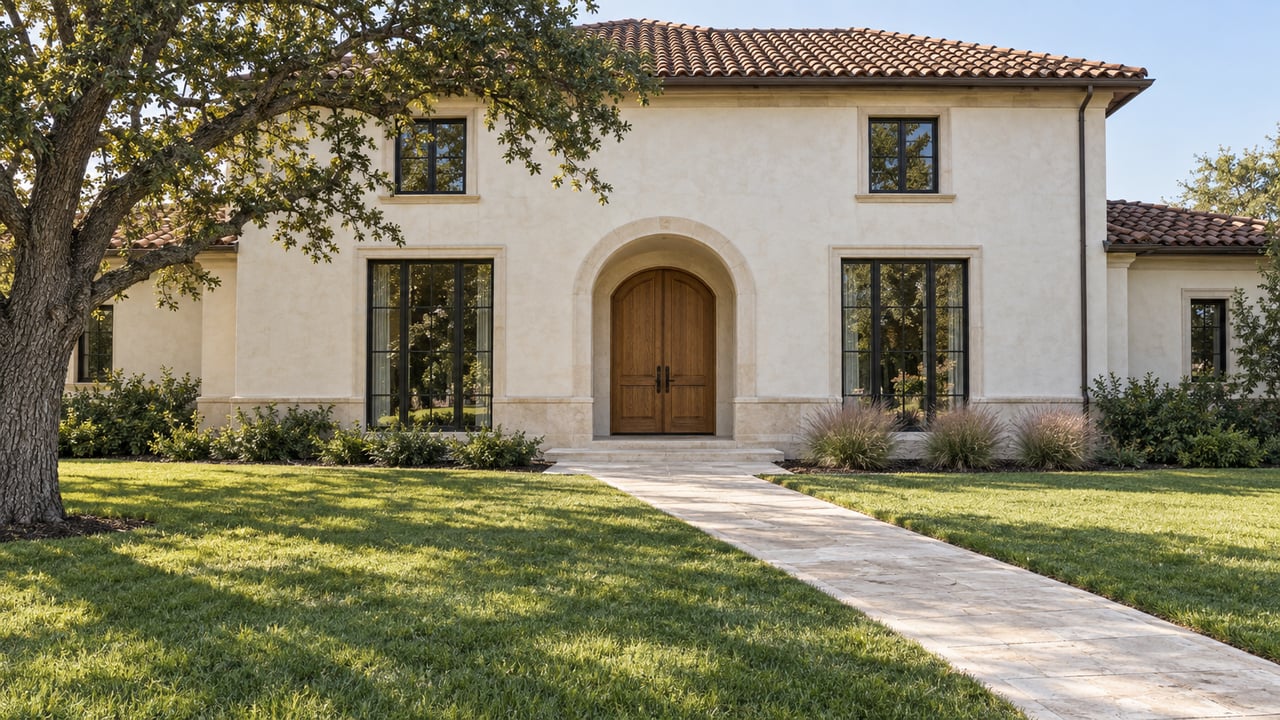
The homes available for lease also reflect a luxury profile. Inventory in the research included 4-bedroom to 6-bedroom homes ranging from about 2,600 to 7,400 square feet, with asking rents from roughly $4,000 to $14,950 per month. If you own a large, updated home in a strong location within Colleyville, that kind of market can support meaningful rent premiums.
Who Typically Rents in Colleyville
In a market like Colleyville, the likely tenant pool is more specialized than in a typical suburban rental market. Based on the available inventory and the city’s location near the airport and regional employment hubs, the research points to relocating professionals, executives, households between home purchases or custom builds, and renters seeking more space and privacy than apartment living usually provides.
That matters because luxury tenants often evaluate homes differently. They may care less about finding the lowest monthly rate and more about securing the right layout, presentation, privacy, and move-in readiness. For owners and investors, that can make property condition and positioning especially important.
Typical Rent Ranges to Expect
One of the most useful takeaways from the research is that Colleyville consistently shows high rent levels, even when different sources use different methods. Realtor.com’s rental page reports a city median rent of $3,872, while its local market page reports a Colleyville-area median rental price of $3,992 and a ZIP code 76034 median rental price of $4,600. Zillow’s single-family snapshot in the research showed listed homes at $2,800, $4,000, $4,500, $5,100, $6,000, and $14,950.
These differences are not unusual. Rental portals often sort properties differently by geography, property type, or active inventory. Still, all of the reported figures point in the same direction: Colleyville sits well above broader county rent norms and remains firmly in the premium segment of the market.
Why Low Inventory Matters
The strength of Colleyville’s luxury lease market comes less from volume and more from scarcity. The city’s 96.7% owner-occupied housing rate suggests only a small share of homes are renter-occupied. In addition, Census data shows that 94.1% of residents lived in the same house one year ago, which points to low turnover.
For you as an owner or investor, low turnover can work in your favor. Fewer available homes often means less direct competition when a well-prepared property comes to market. In a niche luxury segment, that scarcity can help support stronger pricing for homes that are updated, cleanly presented, and aligned with what tenants expect.
What Supports Long-Term Investment
Colleyville’s planning framework adds another layer to the investment story. The city’s comprehensive plan emphasizes preserving large-lot neighborhoods, maintaining a natural and rural feel, and keeping maximum residential density at 1.8 dwelling units per net acre. Policies like that can help limit dense new supply over time.
The same research also notes relatively modest residential permit counts in recent years, with 52 in 2021, 40 in 2022, and 41 in 2023. That pattern supports the idea of incremental growth rather than rapid expansion. In practical terms, if supply remains measured and demand for premium housing stays steady, well-located single-family homes may continue to benefit from scarcity.
Investment Reality: Premium Hold, Not High Yield
This is where expectations matter. Colleyville may be attractive for long-term wealth preservation, but the research does not support the idea that every luxury home here will produce strong rental cash flow. On a rough gross basis, using a city median rent of $3,872 against a median listing price of $1,049,500 suggests a gross return of about 4.4% before expenses, according to the market figures cited in the Realtor.com local market page.
Using the ZIP-level figures in the research, a median rent of $4,600 against a median listing price of $1,125,000 suggests a rough gross return of about 4.9% before taxes, insurance, maintenance, vacancy, and management. That helps explain why Colleyville often fits better as a premium-hold market than a high-cap-rate play. If financing costs are high or the home needs substantial work, the numbers may become much tighter.
When Leasing Makes Sense
Leasing can be a smart option when the home already checks the right boxes. In Colleyville, that usually means the property is already owned or well capitalized, updated enough to compete at the top of the market, and positioned to attract premium tenants. The smaller rental pool can work well when the home is move-in ready and priced with discipline.
Leasing may be especially worth exploring if you are:
- Relocating temporarily and want to retain a high-value asset
- Between long-term decisions and prefer to hold the property
- Carrying low debt or significant equity
- Offering a home with features that stand out in the luxury segment
When Selling May Be the Better Move
There are also situations where selling may be more practical than leasing. The research supports a straightforward framework: if the property needs major capital improvements, if likely rent is too close to your carrying costs, or if you would rather redeploy equity than manage a specialized rental, selling may offer a cleaner path.
That is especially true in a market where not every luxury home will automatically command top rent. High-end tenants expect quality, condition, and presentation. If a home is dated or requires meaningful updates to compete, the lease route can become more costly and time-consuming than owners first expect.
How to Evaluate a Colleyville Luxury Property
If you are weighing an investment or lease strategy in Colleyville, focus on a few practical questions:
- How limited is the competing inventory right now?
- Is your home updated enough to justify premium rent?
- Would estimated rent clearly exceed your ownership and operating costs?
- Does the layout match what relocating or executive tenants may want?
- Would your equity work harder in another opportunity?
In a niche market, small differences in presentation and pricing can have an outsized effect. That is why a tailored property review matters more than broad assumptions.
Why Presentation Still Matters
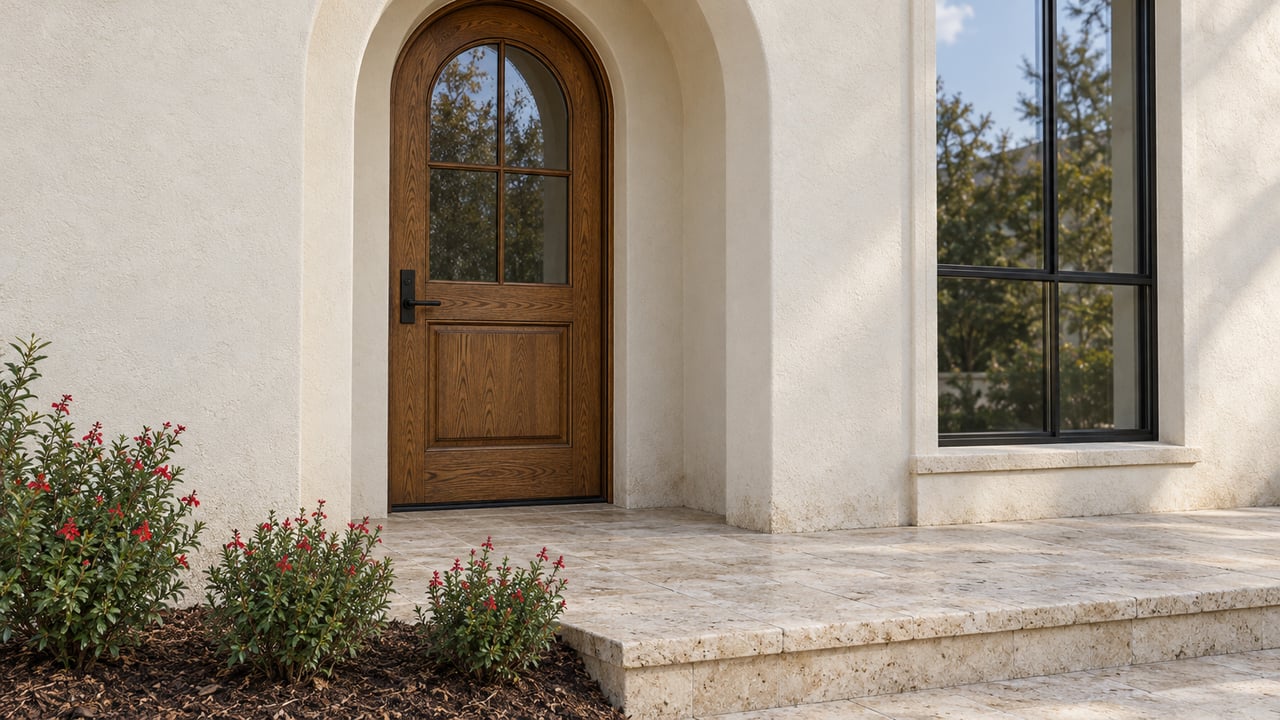
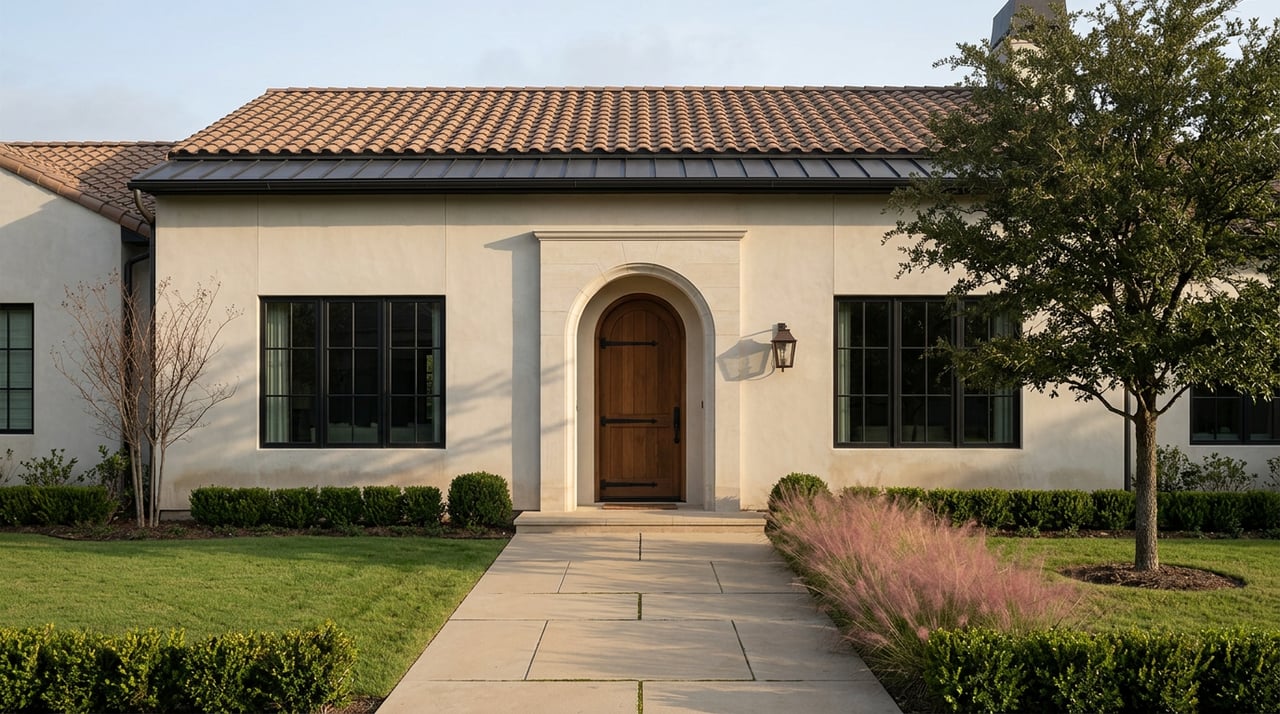
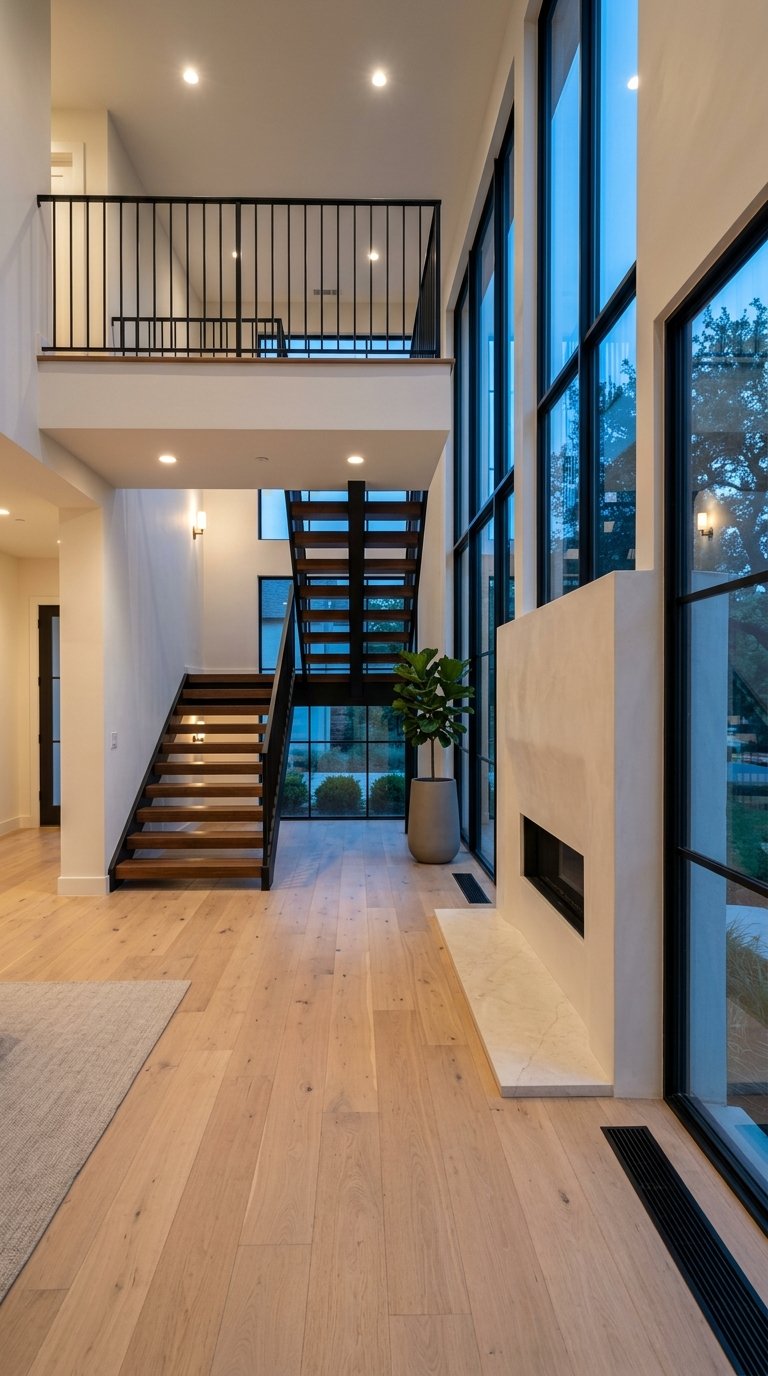
In luxury real estate, presentation is not just about aesthetics. It is part of the investment strategy. When a rental home is well prepared, professionally photographed, and clearly positioned for the right audience, it has a better chance of earning attention in a market with limited but highly selective demand.
That same principle applies if you decide to sell instead. In Colleyville’s premium segment, thoughtful preparation can help shape buyer perception and strengthen results. Whether you are exploring leasing, holding, or listing, strategy and presentation should work together.
If you are trying to decide whether your Colleyville property is better suited for luxury leasing or a strategic sale, a tailored review can help you compare both paths with real market context. The Jeannie Anderson Group brings boutique, high-touch insight to luxury homes across Colleyville and surrounding North Tarrant County communities.
FAQs
What is the typical luxury rent range in Colleyville?
- Based on the research, active rental listings ranged from about $4,000 to $14,950 per month, with broader median rent figures reported between roughly $3,872 and $4,600 depending on the source and area measured.
Is Colleyville a strong market for rental property investors?
- Colleyville appears stronger as a scarcity-driven, premium-hold market than a high-yield rental market, with low inventory and strong rent levels but relatively modest rough gross return estimates before expenses.
Who usually rents luxury homes in Colleyville?
- The research suggests likely tenants include relocating professionals, executives, households between purchases or custom builds, and renters seeking larger detached homes with more privacy and space.
Does low inventory help luxury landlords in Colleyville?
- Yes. The city’s high owner-occupied rate and low turnover suggest limited rental supply, which can support rent premiums for well-located, lease-ready homes.
Should you lease or sell a luxury home in Colleyville?
- It depends on your equity position, carrying costs, property condition, and likely achievable rent. Leasing may make sense for updated, well-capitalized homes, while selling may be the better option for homes needing major work or offering thin rental margins.